During puberty a girl's ovaries start to release eggs. every 28 days a mature egg cell is released from one of the ovaries, it travels down a fallopian tube to the uterus. It stays here for some days waiting to be fertilised. If the egg is not fertilised it leaves the body with blood and tissue. This is called the menstrual cycle.
Tuesday, 2 February 2016

THE FEMALE REPRODUCTIVE SYSTEM
The female reproductive system is formed by external sex organs and internal sex organs (located inside the pelvis).
The ovaries produce egg cells. There is one ovary on each side of the uterus.
The uterus is where a fertilised egg cell develops into a fetus.
The fallopian tubes connect the ovary with the uterus. The egg cell travels along them.
The cervix is the narrow part of the uterus that leads to the vagina.
The vagina is a muscular canal that leads from the vulva (the external organ) to the uterus.
The ovaries produce egg cells. There is one ovary on each side of the uterus.
The uterus is where a fertilised egg cell develops into a fetus.
The fallopian tubes connect the ovary with the uterus. The egg cell travels along them.
The cervix is the narrow part of the uterus that leads to the vagina.
The vagina is a muscular canal that leads from the vulva (the external organ) to the uterus.
 |
| Female Reproductive System, by CDC, Mysid [Public domain], via Wikimedia Commons |
 |
| Female Reproductive System, via pixgood.com. |
WHAT ARE REPRODUCTIVE CELLS LIKE?
There are two types of human reproductive cells which are called gametes: the female egg cell (ovum) and the male sperm cell (spermatozoon). A female egg is round and much larger than a sperm cell. A sperm cell has a small head and a long tail which helps it to move around.
Reproduction can be sexual or asexual.
In sexual reproduction the male and the female gametes combine to produce a fetus and contains DNA from each one.
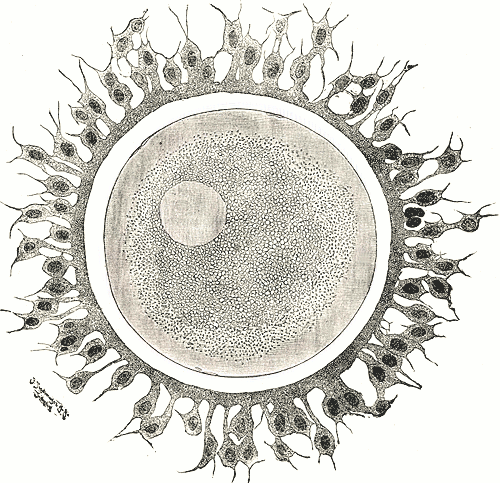 |
| Egg cell, Henry Vandyke Carter [Public domain], via Wikimedia Commons |
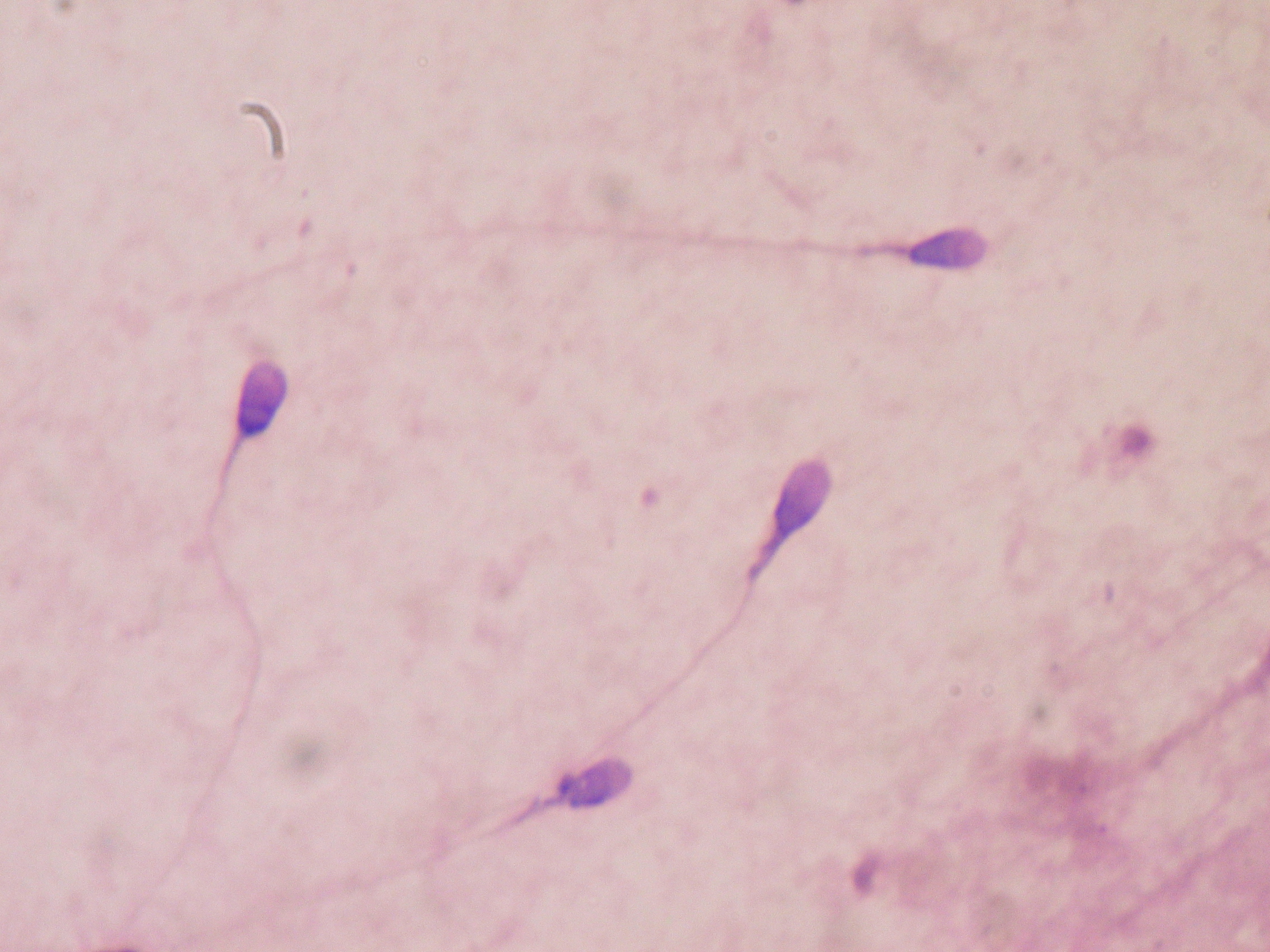 |
| Sperm cells, By Bobjgalindo (Own work) [GFDL (http://www.gnu.org/copyleft/fdl.html) or CC BY-SA 4.0-3.0-2.5-2.0-1.0 (http://creativecommons.org/licenses/by-sa/4.0-3.0-2.5-2.0-1.0)], via Wikimedia Commons |
 |
| Sperm cell and egg cell fusing, via Wikipedia. |
In sexual reproduction the male and the female gametes combine to produce a fetus and contains DNA from each one.
SEX CHARACTERISTICS
The differences between male and female bodies are called sex characteristics.
Primary sex characteristics are the differences between the male and the female reproductive organs.
Secondary sex characteristics aren't directly related to reproduction (facial hair...).
Primary sex characteristics are the differences between the male and the female reproductive organs.
Secondary sex characteristics aren't directly related to reproduction (facial hair...).
Wednesday, 20 January 2016
WHAT ARTISTIC MOVEMENTS WHERE THERE IN THE 19TH CENTURY?
Romanticism: was a reaction to the Industrial Revolution. Romantic art focused on subjects as nature, religion, emotions, revolution and beauty. Goya was an example of Romanticism art.
.jpg) |
| El Quitasol. Goya. Wikimedia Commons. |
Realism: was a reaction against Romanticism. Artists and writers focused on the working classes and their reality of everyday life. Martí I Alsina was an example.
 |
| Born Vell. Marti i Alsina. From Wikimedia Commons. |
Modernism emerged in Cataluña and is associated with the architect Gaudí. He was inspired by nature and Religion.
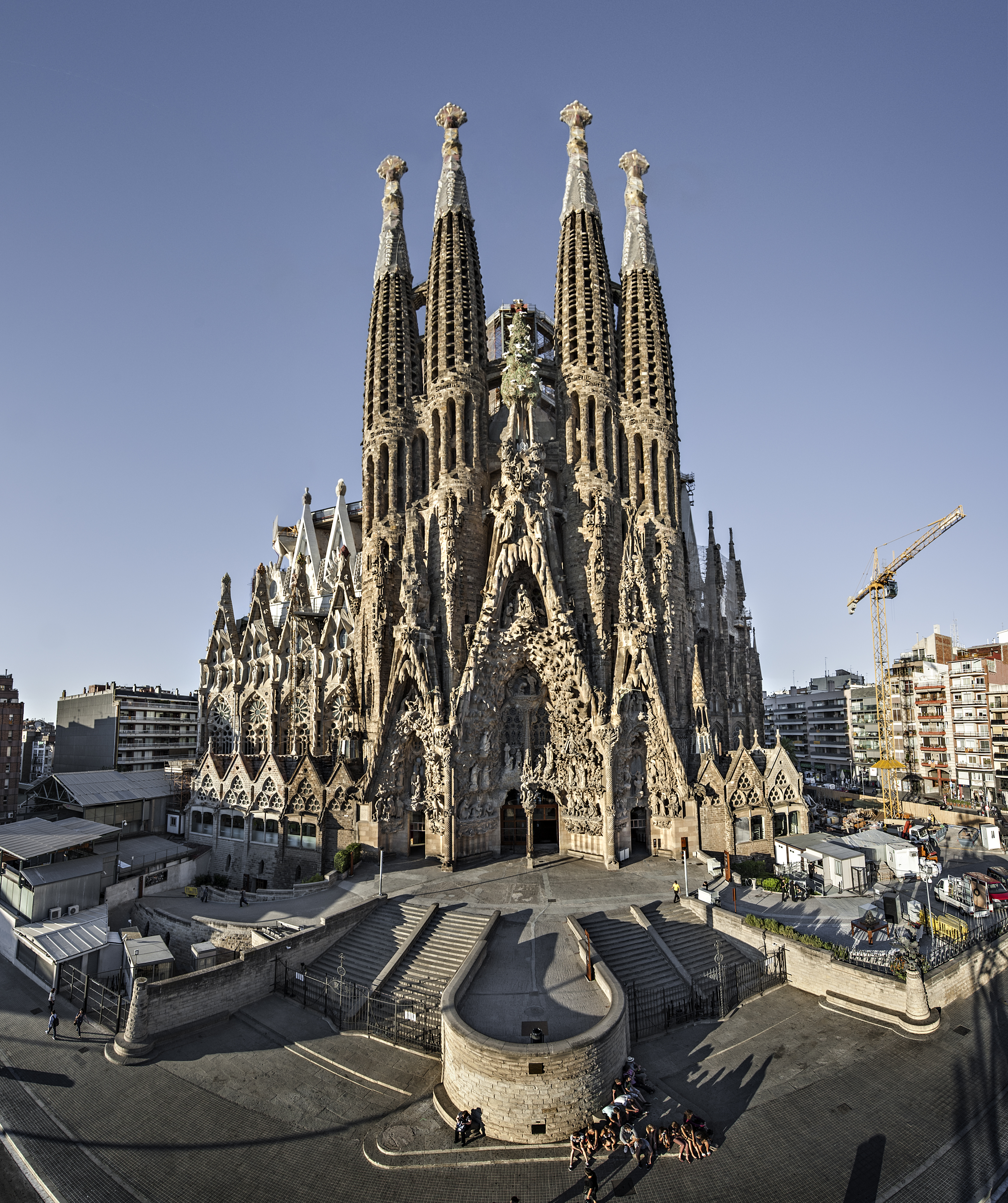 |
| Gaudi's Sagrada Familia. By Sagrada Família (oficial) (Own work). Wikimedia Commons |
WHAT HAPPENED IN SPAIN IN THE LATE 19th CENTURY?
Isabel II was the queen (1833-1868). It was a period of instability in Spain. There were frequent changes of government and military coups. Isabel was forced to leave Spain in 1868 and she abdicated. The monarchy was restored in 1874. The period after that is known as the Restoration.
After Isabel II left Spain:
• Amadeo of Savoy, an Italian prince, became king of Spain in 1871, chosen by the Cortes. But he faced a lot of opposition and he abdicated in 1873.
• In 1873 the First Republic was proclaimed. In 1874 there was a military coup led by General Martínez Campos, and the Republic ended.
In 1874 the Restoration began. Alfonso XII, Isabel II’s son, returned to Spain to become king. The politician Antonio Cánovas Del Castillo prepared it.
He organized a political system with two political parties: the Conservatives (led by Cánovas) and the Liberals (led by Sagasta). There were elections but only some men could vote. The elections were manipulated and both parties took turns in the government. This was a period of stability which lasted into the 20th century.
HOW DID SOCIETY CHANGE IN THE 19TH CENTURY?
Before the Industrial Revolution:
Society was divided into three groups – estates (it was difficult for people to change classes):
• The clergy, owned most of the land and had special privileges.
• The nobility, owned most of the land and had special privileges.
• Ordinary people, paid taxes and had no privileges.
After the Industrial Revolution:
There were three classes with big differences between them but no one was given special privileges:
• The upper class: rich factory owners and bankers and the nobility.
• The middle class (bourgeoisie): civil servants, lawyers, doctors, merchants and small landowners.
• The working class (proletariat): factory workers and peasants.
Subscribe to:
Posts (Atom)