Hola,
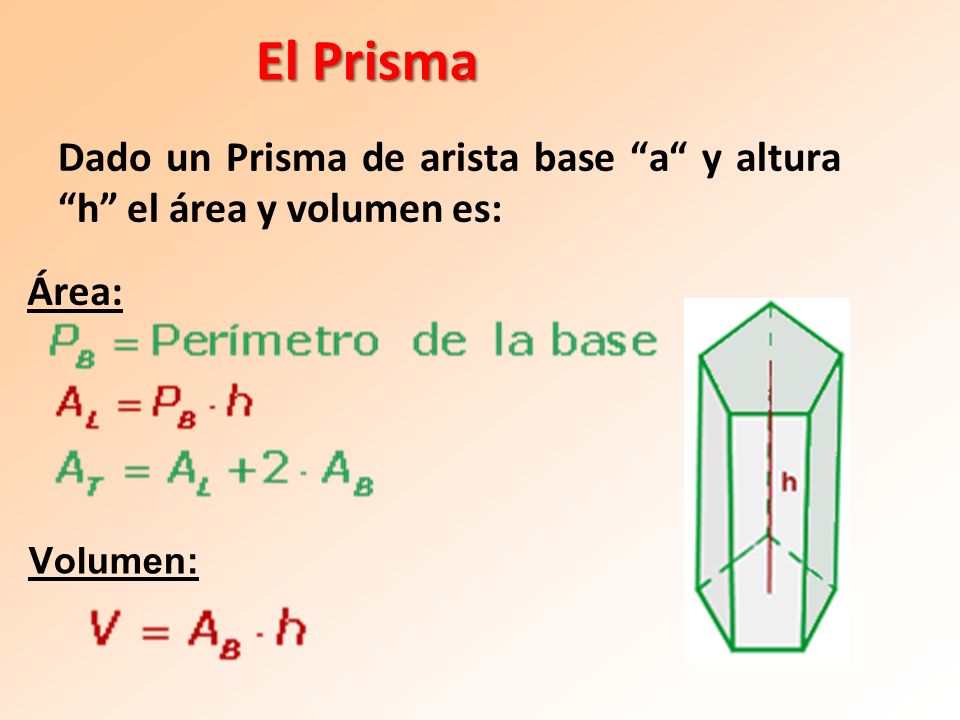
aquí os dejo esta imagen que explica como se calcula el área de un prisma y también el volumen.
Thursday, 5 May 2016
WHAT INVENTIONS DO WE USE IN OUR DAILY LIVES?
Inventors design machines to solve problems or to make something easier to do.
Modern machines have changed the way we live in many ways:
The bicycle, cars (before the invention of cars we travelled by horse and carriage), steam engine, the hovercraft, aeroplanes...
Modern machines have changed the way we live in many ways:
- Food production: machines have changed the way the food is prepared in large factories, sometimes it has been frozen or packaged in a tin, so it stays fresh for longer periods of time.
- Clothing: most of our clothes contain synthetic fabrics (nylon, viscose). So they're cheaper, more resistant to temperature than natural fabrics and they do not wear out so quickly.
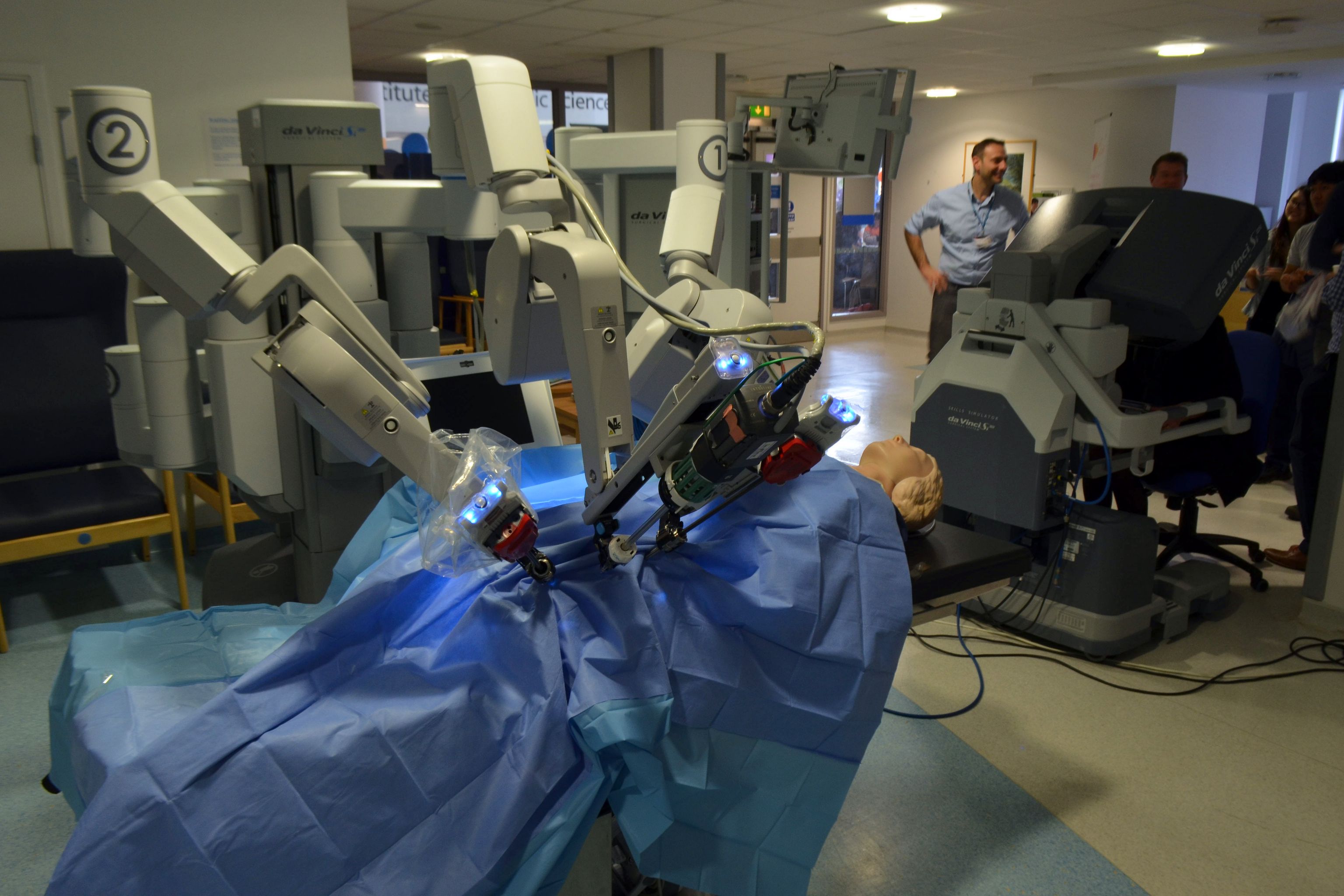
- Healthcare: Doctors use microscopes, computers, X-ray machines and scanners...

By Cmglee (Own work) [CC BY-SA 3.0 (http://creativecommons.org/licenses/by-sa/3.0) or GFDL (http://www.gnu.org/copyleft/fdl.html)], via Wikimedia Commons
The bicycle, cars (before the invention of cars we travelled by horse and carriage), steam engine, the hovercraft, aeroplanes...
Thursday, 28 April 2016
WHAT ARE PUBLIC SERVICES?
Most autonomous communities are responsible for public services such as town planning and festivals.
Taxes are deducted from workers' salaries and profits that companies make. We pay an extra tax every time we buy something or use a service. This is sales tax or value added tax.
The government collects taxes. These taxes are spent on public services such as schools, hospitals, libraries, street cleaning, building roads and providing for people's pensions when they retire.
Taxes are deducted from workers' salaries and profits that companies make. We pay an extra tax every time we buy something or use a service. This is sales tax or value added tax.
The government collects taxes. These taxes are spent on public services such as schools, hospitals, libraries, street cleaning, building roads and providing for people's pensions when they retire.
![]() |
| Hospitals are part of public services. Photo by Francis Tyers via wikipedia |
Thursday, 21 April 2016
HOW IS SPAIN ORGANISED?
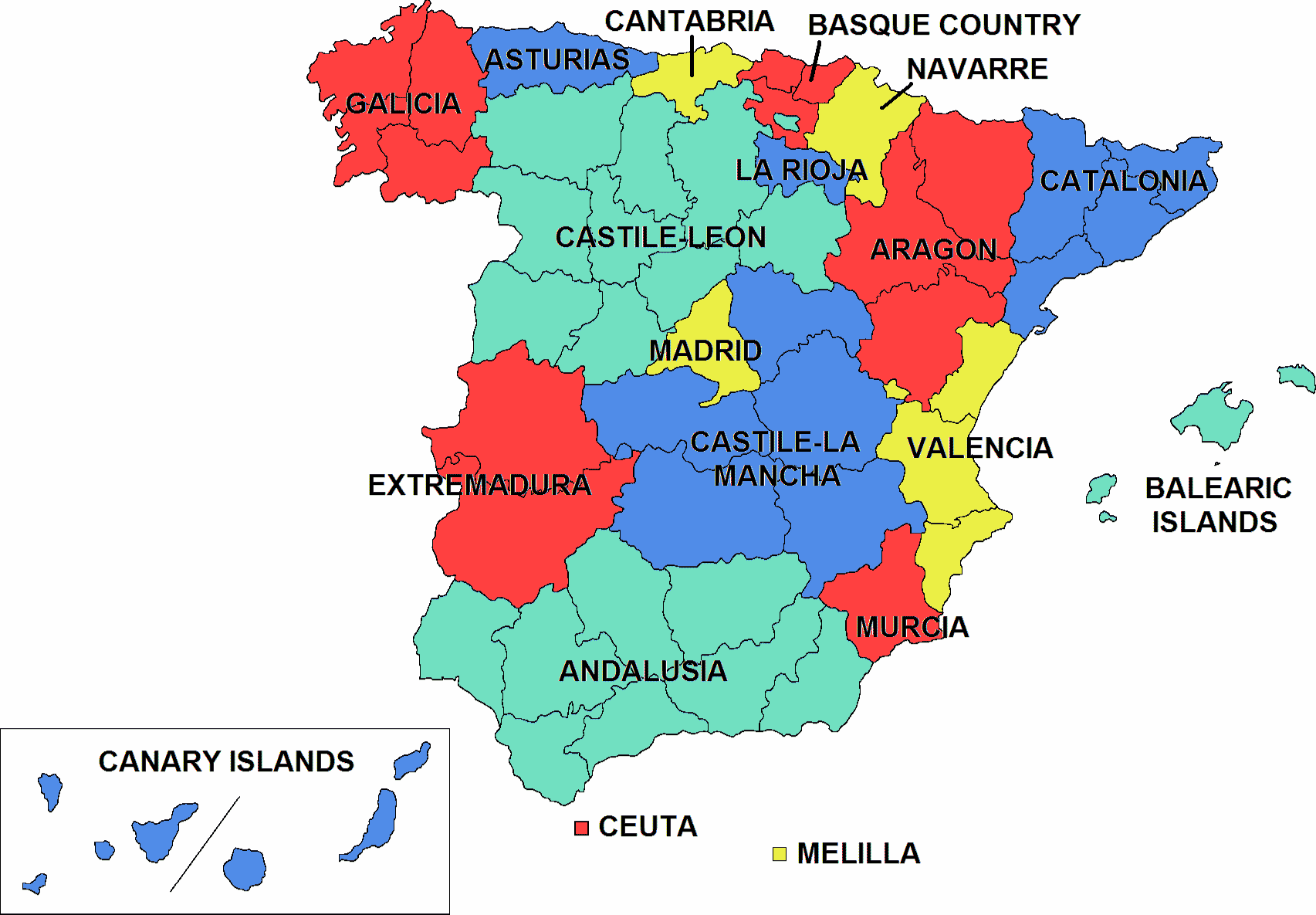
Spain's 1978 Constitution established the organisation of the regions. It divided Spain's territory into 17 autonomous communities and 2 autonomous cities, Ceuta and Melilla, which are in North Africa.
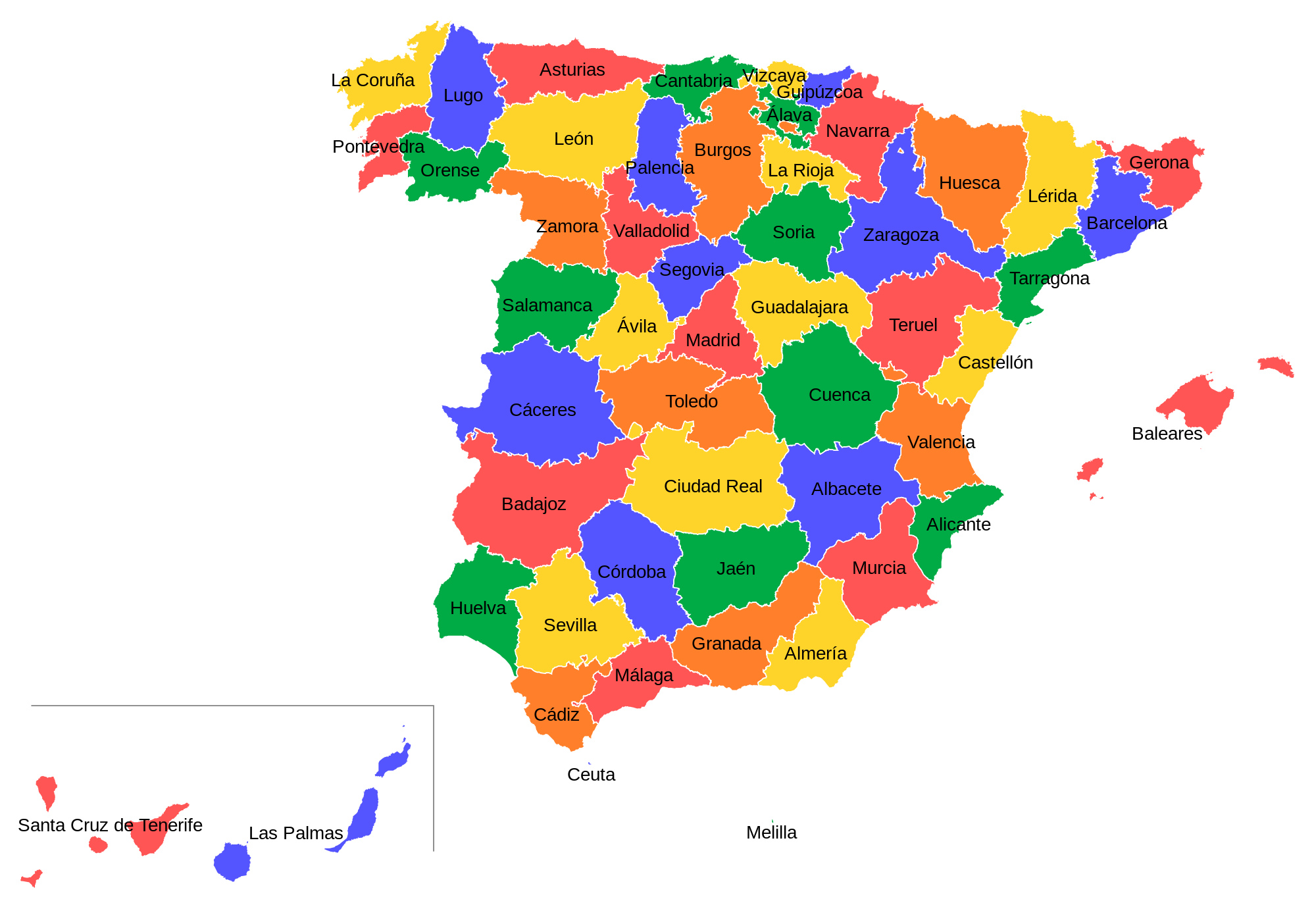
There are 50 provinces.
Each autonomous community has its own Statute of Autonomy. The Statute of Autonomy defines:
There are 50 provinces.
Each autonomous community has its own Statute of Autonomy. The Statute of Autonomy defines:
- The territory of each autonomous community.
- The governmental institutions.
- Its official language(s), flag, coat of arms and anthem.
- A regional parliament, which has legislative powers.
- A government, which has executive powers.
- A Superior Court of Justice, which has judicial powers.
![]() |
| Photo from wikipedia. |
MODELO DE EXAMEN DEL TEMA 13
Hola,
aquí os dejo un modelo del examen del tema 13. Al final del examen están los ejercicios corregidos, aunque ya los hemos hecho en clase.
HOW IS POWER DISTRIBUTED IN SPAIN?
The Spanish Constitution established the basic laws of the country.
The Constitution established the division of powers: legislative, executive and judicial. each power is controlled by only one institution, so they're independent.
Legislative power is exercised by the Parliament (Cortes Generales).
Parliament makes the laws, approves the state budget and monitors the activity of the government.
It's made up of two parts: the lower house, or Congress (Congreso de los Diputados) and the upper house, or Senate (el Senado).
Deputies work in Congress and Senators work in the Senate. The senators represent the autonomous communties.
Deputies and Senators are elected by citizens in general elections every four years.
Executive power is exercised by the government. The government is composed of its leader, the president, and the ministers. The ministers are responsible for specific areas such as economy, education, health or industry. The government headquarters is Moncloa Palace.
The Constitution established the division of powers: legislative, executive and judicial. each power is controlled by only one institution, so they're independent.
Legislative power is exercised by the Parliament (Cortes Generales).
Parliament makes the laws, approves the state budget and monitors the activity of the government.
It's made up of two parts: the lower house, or Congress (Congreso de los Diputados) and the upper house, or Senate (el Senado).
![]() |
| The Spanish Congress. Photo by Luis Javier Modino Martínez [CC BY 2.0 (http://creativecommons.org/licenses/by/2.0)], via Wikimedia Commons |
![]() |
| The Spanish Senate. By Lcsrns (Own work) [CC BY-SA 3.0 (http://creativecommons.org/licenses/by-sa/3.0)], via Wikimedia Commons |
Deputies and Senators are elected by citizens in general elections every four years.
Executive power is exercised by the government. The government is composed of its leader, the president, and the ministers. The ministers are responsible for specific areas such as economy, education, health or industry. The government headquarters is Moncloa Palace.
Tuesday, 19 April 2016
WHAT'S A DEMOCRACY?
Spain is a democracy. This means that there is freedom, justice and equality.
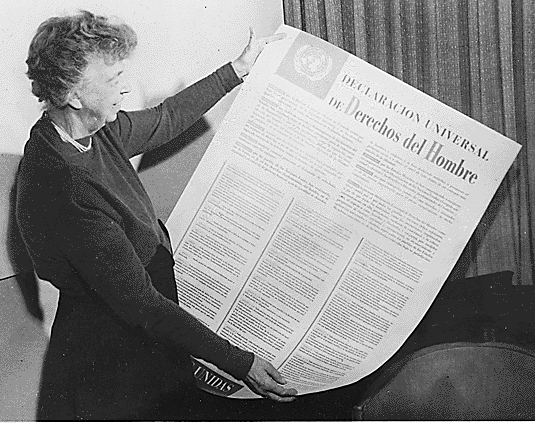
The United Nations Universal Declaration of Human Rights establishes fundamental human rights for all.
So people have rights, but they also have responsibilities.
Rights in democracy (freedom to do something):
The United Nations Universal Declaration of Human Rights establishes fundamental human rights for all.
![]() |
| Eleanor Roosevelt and United Nations Universal Declaration of Human Rights in Spanish text. See page for author [Public domain], via Wikimedia Commons |
Rights in democracy (freedom to do something):
- The right to an education.
- The right to food and shelter.
- The freedom to live and travel wherever we choose.
- The freedom to express our opinions.
- The right to associate with others.
- The right to be treated equally by the law.
- we must obey the law.
- We must pay taxes to support public services.
- We must not tolerate discrimination because of religion or race.
- We should look after our environment.
- We should look after people who are weaker than us.
- We should be kind to animals.
- Voting.
Subscribe to:
Posts (Atom)


_14.jpg)